




S5 E2: Leo Wandersleb on WalletScrutiny & Why Samourai Isn’t That Great

The audio keeps playing while you browse the site.
Ask the Archive
Leo Wandersleb, lead developer of Mycelium Android wallet, has an unusual yet useful fascination with open sourceness and verifiability. In his quest to understand how Bitcoin wallets work, he sought to take “Don’t trust, verify” motto to the absolute limits.
Call it community service or selfish attempt to analyze Mycelium’s competition, but his website WalletScrutiny.com is an incredible resource to better understand how some of the most popular mobile wallets in the Google Play Store (Android) work.
In a nutshell, the Wallet Scrutiny tries to answer the question “How likely is it that the developers of this wallet are malevolent and can steal my bitcoins with sneaky code inserts?”.
For the sake of determining the quality and security of mobile wallets, Leo Wandersleb has created a 3-step process:
- At first he looks at the custodianship of the wallet. If users manage their own private keys and don’t require to trust a third party, then the wallet is non-custodial and therefore better for financial sovereignty.
- Then he checks to see if the wallet is open source. If there is a public repository which contains all the files that can also be downloaded from the Google Play Store, then the security potential of the wallet is greater. However, open source does not always mean secure or properly audited.
- Finally, he compiles the app from the source code to see if the result is the same as what you can download from the Google Play Store. Sometimes the repositories are not properly maintained and significant differences can be found – which is a red flag that means that the developers are either negligent or have something to hide in their releases.
On the basis of this process, Wandersleb has created 4 categories of Android BTC wallets:
- custodial (Coinbase, Abra, Xapo, Luno, Bitrefill, Wallet of Satoshi);
- closed source (Coinomi, Trust, Jaxx, Guarda, BitPie, Magnum);
- open source but not verifiable (Blockchain, BRD, BitPay, Edge, Samourai, Blue, Phoenix, Zap, Lightning Labs);
- verifiable (Blockstream Green, ABCore, Schildbach, Airgap Vault).
This episode offers more details about various wallets and their review process, and a significant amount of time is dedicated to discussions about Samourai Wallet – a popular privacy Bitcoin wallet which somehow fails the verifiability test in spite of multiple requests to publish the necessary code.
Listen to Leo Wandersleb on iTunes & Spotify!
Time Stamps:
00:46 – Introduction
02:15 – Categorization of mobile wallets on WalletScrutiny.com
3:50 – What verifiability means for wallets, and why verifiable does not mean verified
6:40 – Why verifiability matters to make sure that the wallet developers are not hacking you
9:40 – Which wallets are listed as verifiable on WalletScrutiny.com?
12:20 – Why Coinomi wallet is not open source
13:05 – Coinbase is custodial and should be avoided
15:21 – Some of the most popular mobile wallets also happen to be the worst
18:25 – Wallets that are popular, open-source, but not verifiable
19:08 – Samourai Wallet is not verifiable
22:10 – How reproducibility works at MyCelium to prevent abuses by release managers
24:20 – More arguments against Samourai
29:20 – Android’s interesting security
31:27 – Google Play vs F-Droid
33:55 – What about iOS wallets, are they verifiable?
35:20 – Blockstream Green and why it’s great
37:20 – Coinbase vs Samourai for the average user
40:30 – Why it’s better to be careful with mobile wallet updates
45:40 – In the “Don’t trust, verify” issue, what can the average user actually verify?
48:40 – Leo fails at marketing his own project
50:40 – Why builders are the best
51:10 – Companies exploiting the ignorance of newbies
53:00 – Satoshi was honest about Bitcoin’s limitations
55:30 – Why MyCelium’s iOS wallet is terrible and not recommended, but the Android version is better
59:10 – MyCelium vs Blockstream Green
1:00:30 – Collecting fees from routing Lightning Network transactions
1:02:48 – Lightning Network Routing
1:06:00 – Best mobile wallet for ease of use and open source verifiability
1:09:00 – Wallet Scrutiny [dot] com and its methodology
1:10:30 – How much does reputation matter in the Bitcoin space?
Donate to Bitcoin Takeover!
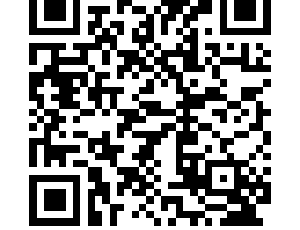
50% of the satoshis sent to this address will be donated to BTCPay server development. So we can truly make BitPay obsolete by having the best and most user-friendly payments processor.
Verify this episode
This is the SHA-256 fingerprint of the MP3 as published here, timestamped in the Bitcoin blockchain with OpenTimestamps. If one byte of the file changes, the fingerprint changes.
- SHA-256
a8fceb6bc0c8e05be552bac123e70b8490430f2ad98e916b35e2144c8f7eb2b6- Proof
- 2020-05-01_leo_wandersleb_on_wallet_scrutiny__security_of_mobile_wallets.mp3.ots · all episode hashes (proof)
- Status
- Anchored in Bitcoin block 974,312
How to check it yourself
- Download the MP3 and the proof into the same folder.
- Run
sha256sum 2020-05-01_leo_wandersleb_on_wallet_scrutiny__security_of_mobile_wallets.mp3(on a Mac:shasum -a 256 2020-05-01_leo_wandersleb_on_wallet_scrutiny__security_of_mobile_wallets.mp3). The result must match the SHA-256 above. - Install the OpenTimestamps client (
pip install opentimestamps-client) and runots verify 2020-05-01_leo_wandersleb_on_wallet_scrutiny__security_of_mobile_wallets.mp3.ots. It hashes the MP3 again and checks the proof against your own Bitcoin node, then prints the block and the date the file existed by. Without a node,ots info 2020-05-01_leo_wandersleb_on_wallet_scrutiny__security_of_mobile_wallets.mp3.otsshows the block height to look up in any block explorer.
Related
The First 109 Episodes of the Bitcoin Takeover Podcast
Much like Satoshi Nakamoto’s decentralized money system, the Bitcoin Takeover Podcast was launched in times of turmoil and…

S15 E20: Bastien & Baudoin on Satochip, Satodime, Seedkeeper & Bitcoin Self-Custody
With the power of smart card security technology, Satochip offers an affordable way to self-custody your bitcoins, turn them into…
S8 E4: Lawrence Nahum on Blockstream’s Jade
In January 2021, Blockstream has taken the Bitcoin world by surprise by announcing the Jade hardware wallet – a device which…

Comments
Comments run on my own server. No ads, no trackers.